
It’s easy to assume that improving a bus network demands major investment: new vehicles, new infrastructure, whole network redesigns.
But, some of the most meaningful changes for passengers come from small, well-targeted improvements.
A few examples:
Better Stand Management
Adjusting stand allocations at busy stations can ease congestion, improve reliability, and create a better passenger experience, all without spending more than the time it takes to think it through properly.
Improved Timetabling
Reviewing and smoothing out unrealistic layovers, inter-working or ill-timed connections can make services feel far more reliable, with no additional cost beyond the planner’s effort.
Clearer Public Information
Updating maps, signage, and connection guides can rebuild passenger trust at minimal cost, helping people use the network with confidence.
Minor Route Tweaks
Small changes to terminal points, routing or stop placements can open up new demand flows, strengthen corridors, or improve interchange opportunities. Again, often with no new vehicle requirement.
Route Branding with Simple Vinyls
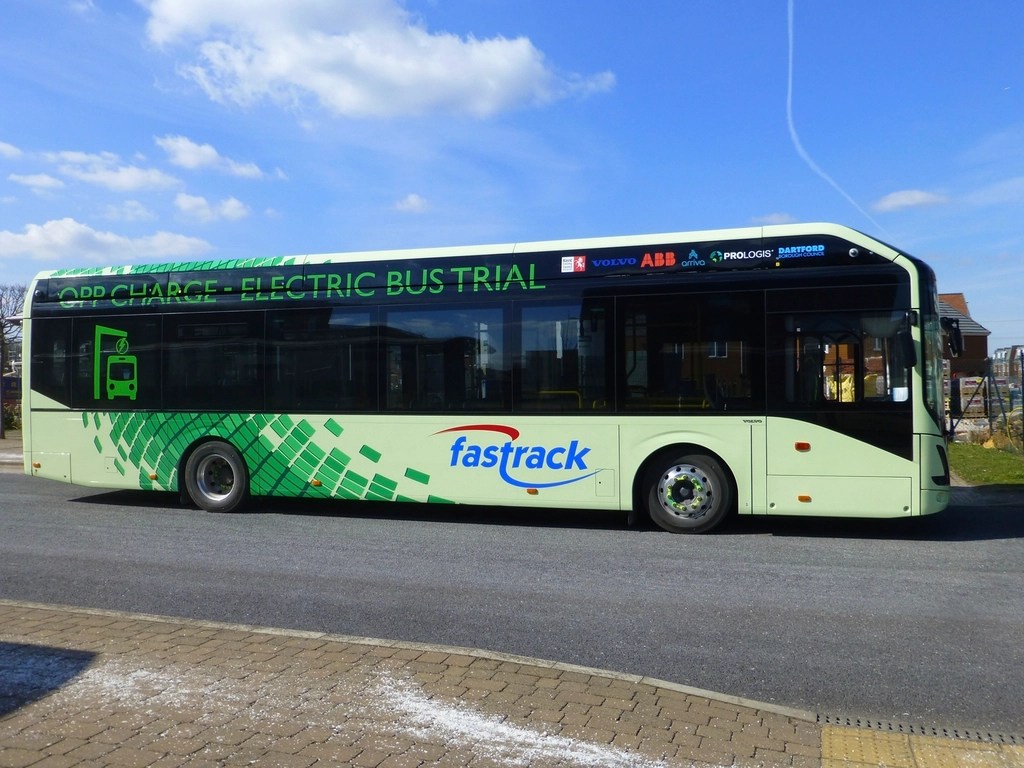
Applying distinctive but straightforward vinyl branding to existing vehicles can uplift a service’s image, build identity, and help passengers recognise frequent or strategic routes without expensive new fleets or re-liveries.
In network planning, cost isn’t always the barrier it seems.
Sometimes, the real opportunity lies in attention to detail, and looking at problems from a different viewpoint.
A real barrier is the unwillingness to act where small changes can make a big difference.
 Greater Buses
Leave a comment